Vendors
Two ways to sell on Ojamma.
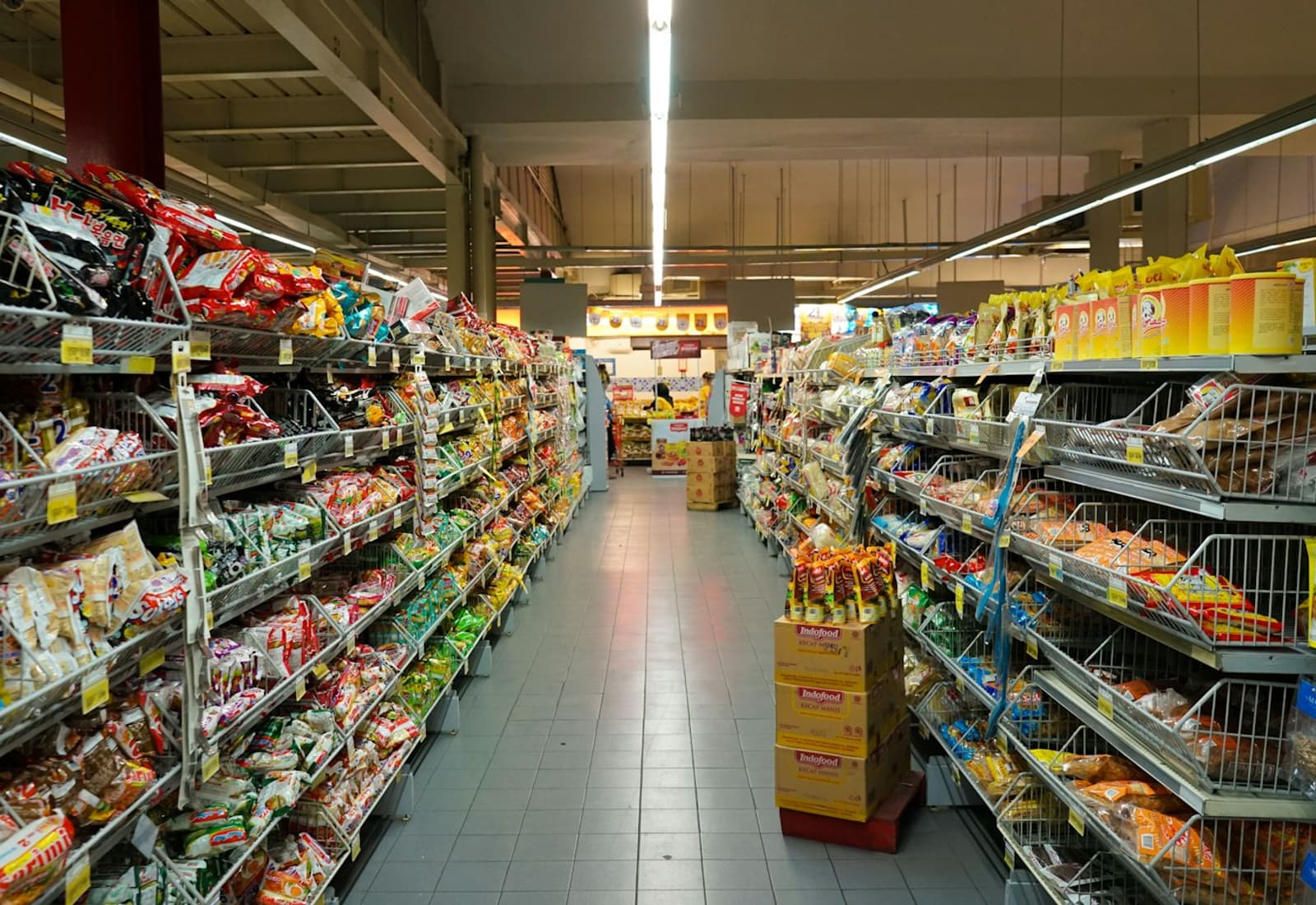
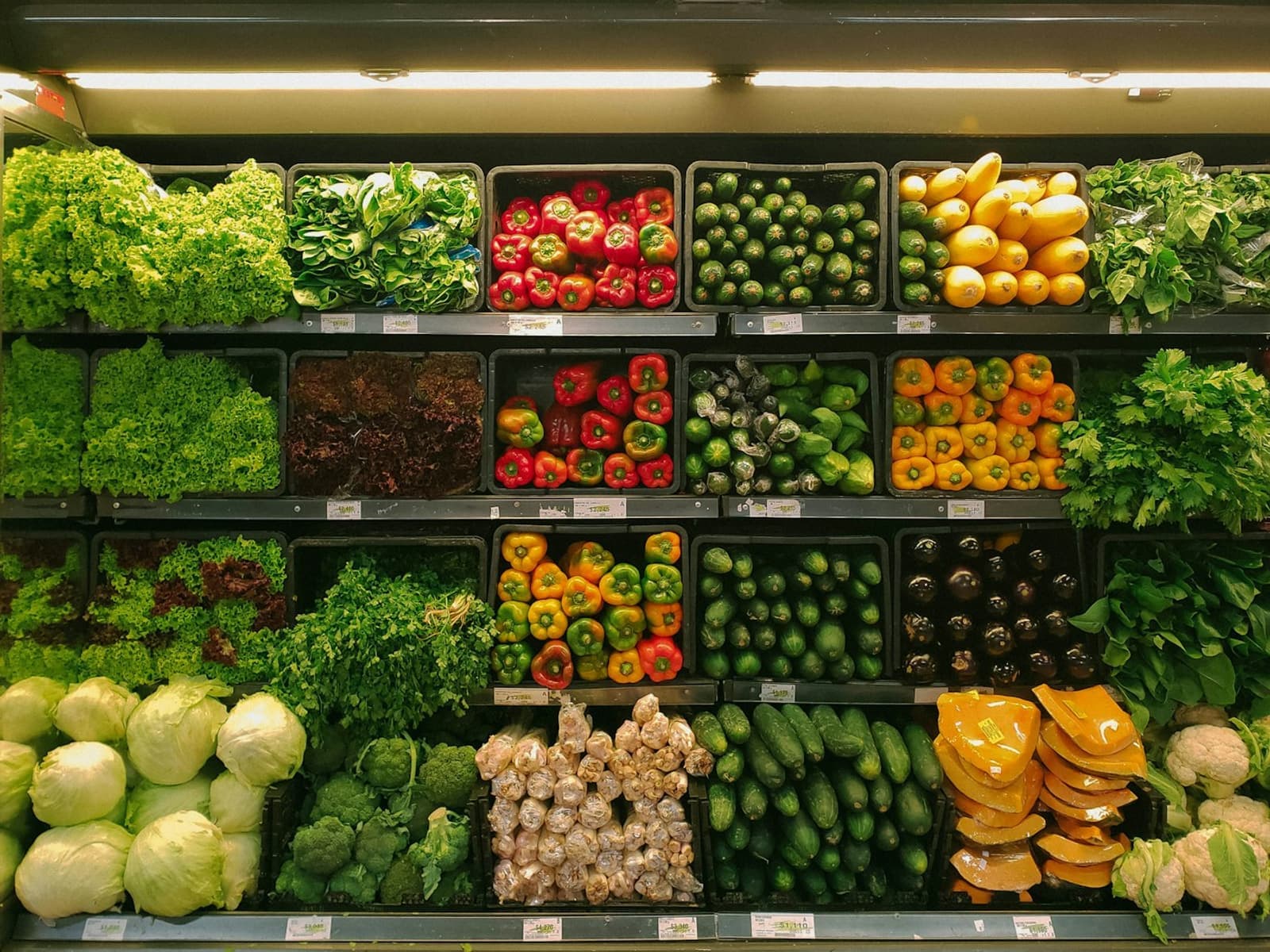
Grocery stores put their inventory in front of shoppers already looking for African and Caribbean food. Homemade kitchens can do the same after kitchen verification.
Grocery stores
Put your store online.
Apply as a store, stock your catalog, and open when Ojamma approves the account. Shoppers check out on Ojamma. You fulfill from the aisle you already run.
01
Your shelf, online
List the African and Caribbean products you already sell. Shoppers in Worcester County can order for delivery or pickup.
02
Orders come to you
You pack. Ojamma routes drivers on delivery days, or the shopper comes to your store for pickup.
03
Payouts to your account
Card payments run on Ojamma. Your share is sent to the bank account you connect after approval.
Private sellers
Homemade food, next to the market.
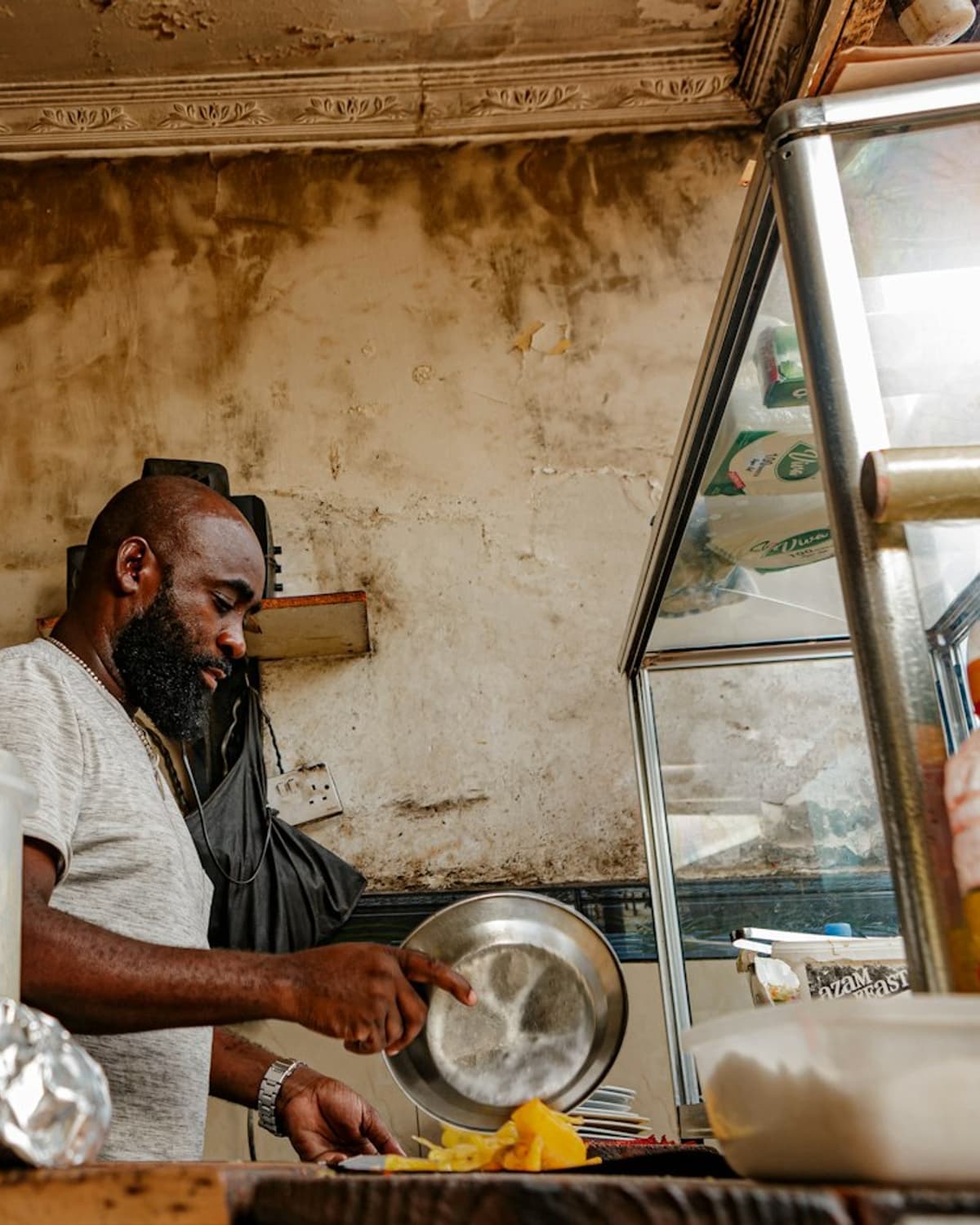
Private sellers are independent and home cooks, not storefront grocers. A residential kitchen is allowed for shelf-stable solids. You apply under Massachusetts cottage-food and home-kitchen rules that apply to you. The kitchen must be in Massachusetts. Canada cannot join yet. Ojamma does not inspect every batch.
01
Home and cottage kitchens
A Massachusetts home kitchen is enough for shelf-stable solids (baked goods, jams, candy, dry snacks). Meals, meat, and drinks need a licensed commercial kitchen. You sit next to local markets in search after verification.
02
Kitchen verification first
Going live waits for Ojamma review. Upload true licensing, registration, or insurance documents when we ask. Labels, allergens, and prep times must be honest.
03
You cook, pack, and hand off
You publish what you can fulfill. If an order cannot go out, tell Ojamma so the shopper can be refunded. Food safety in your kitchen stays your responsibility.
04
Same payout rails as stores
Approved private sellers connect a payout account. Commission and refunds follow the same flow as grocery stores.